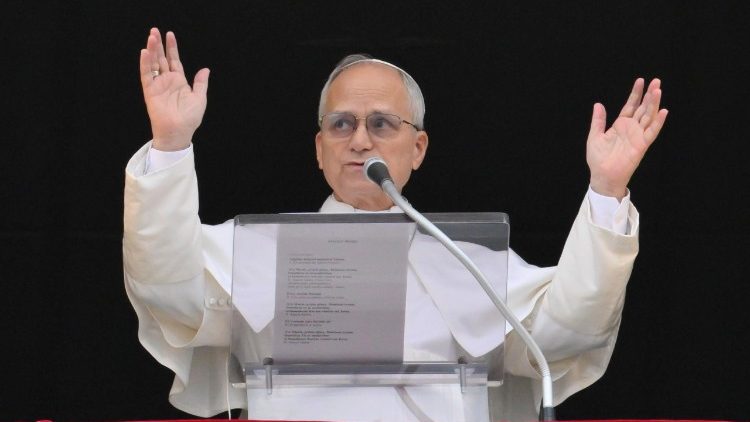
Pope at Angelus: God will never discard us
By Kielce Gussie
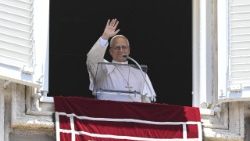
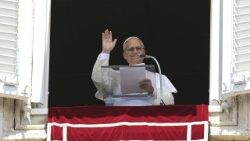
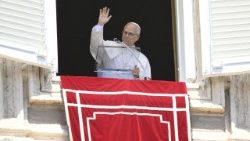
In his Angelus address to the crowds in St. Peter’s Square, Pope Leo XIV reflected on Jesus’ words after proclaiming the Beatitudes. In the Gospel, He does not simply list the eight Beatitudes, but rather afterwards “addresses those who put them into practice, saying that thanks to them the earth is no longer the same and the world is no longer in darkness.”
The Pope explained that true joy gives flavor and light to the dark parts of life. “This joy springs from a way of life, a way of inhabiting the earth and of living together that must be desired and chosen”, he noted. This new way of life shines in Jesus and his words and deeds.
Once a person meets Jesus who is poor in spirit, meek, simple of heart, and longing for justice, they cannot return to a life that is bland and dull. “Mercy and peace as powers of transformation and reconciliation” have been unlocked in this encounter.
A light in the darkness
In the Book of the Prophet Isaiah, Pope Leo listed concrete ways of overcoming injustice—"sharing bread with the hungry, bringing the poor and homeless into our homes, clothing those we see to be naked, without neglecting our neighbors and those in our own homes.”
Having performed these actions, the prophet says, “then shall your light break forth like the dawn, and your healing shall spring up speedily” (58:8). The Holy Father pointed out the two-sided depth of this phrase. On one hand, there is a light that cannot be hidden as it, like the sun, dispels the darkness; and on the other hand, a wound that was once burning is being healed.
He knows our names
“It is painful to lose flavor and give up joy,” Pope Leo noted, “yet it is possible to have this wound on one’s heart.” In the Gospel passage, Jesus appears to offer a warning to those listening to Him to not give up. He says that salt which has lost its flavor “is no longer good for anything, but is thrown out and trampled underfoot”.
How many people, the Holy Father pondered, “perhaps we ourselves—feel like they are worthless or broken. It is as if their light has been hidden.”
Yet, Jesus offers a proclamation of hope: God will never throw us away. He knows our names and cares for our uniqueness. “Every wound, even the deepest, will be healed by welcoming the word of the Beatitudes and setting us back on the path of the Gospel”, the Pope stressed.
Reigniting our joy
Concrete actions of openness and attention towards others will help reignite joy in life. Yet, he argued that in “their simplicity such gestures put us at odds with the world.” Jesus was tempted in the desert to take different paths and assert His identity. But He rejected the paths that would have led Him to “lose his true flavor, the one we find every Sunday in the Bread that is broken, which is a life given and a silent love.”
Closing, Pope Leo encouraged everyone to be “nourished and enlightened by communion with Jesus.” Without bragging, he explained “we will then be like a city set on a hill, not simply visible, but also inviting and welcoming: the city of God where everyone, deep down, desires to live and find peace.”
He urged everyone present in the Square to entrust their prayers to Mary, the Gate of Heaven, to help “become and remain disciples of her Son.”
Thank you for reading our article. You can keep up-to-date by subscribing to our daily newsletter. Just click here.