2026 Global Peace Index: We must invest in peace, not war
By Kielce Gussie
For the last twelve years, peace around the world has deteriorated: more countries are engaged in external conflicts, the number of drone attacks has increased over 11,500% between 2018 and 2025, and the number of people killed in domestic fighting has seen a six-fold rise since 2007.
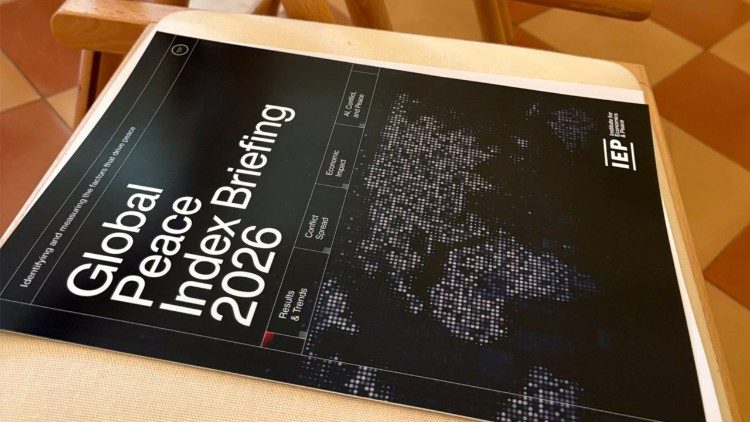
The reason this data exists is thanks to the Global Peace Index. Part of the Institute for Economics and Peace, Founder and Executive Chairman Steve Killelea created the index to give people, governments, and countries the information they need to concretely work for peace in the world.
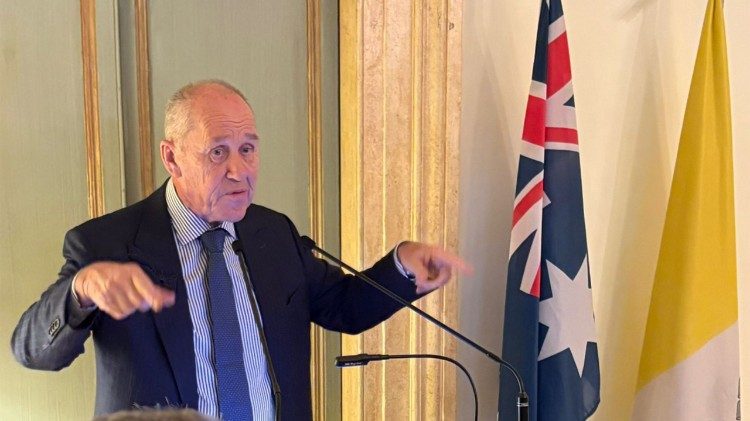
“Some people wonder why this is important. But if you can’t measure something, can you truly understand it?”, Killelea emphasized to Vatican News.
How do you know?
First launched in 2007, the Global Peace Index (GPI) is an important piece of research in the world regarding the measure of global peacefulness. It brings three categories together to create the complete index—militarization, ongoing conflict, and internal safety and security.
Before the GPI, a standardized, comprehensive index that listed countries by peacefulness did not exist. Without this proper measuring, Killelea begged the question, “how do you know whether your action is either helping or hindering in achieving your goals? You simply don't.”
Investing in something greater
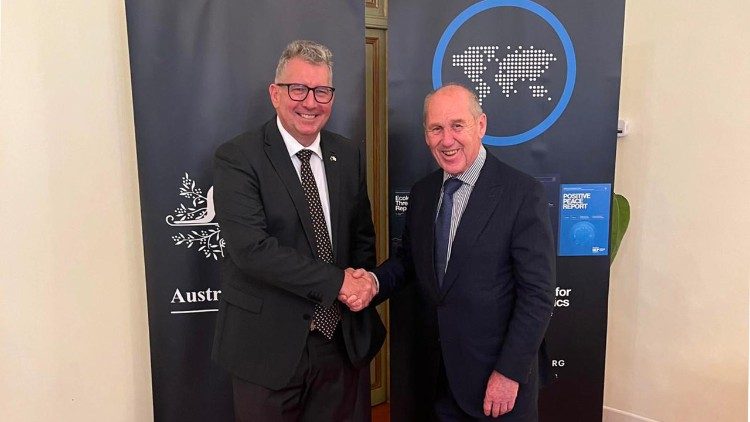
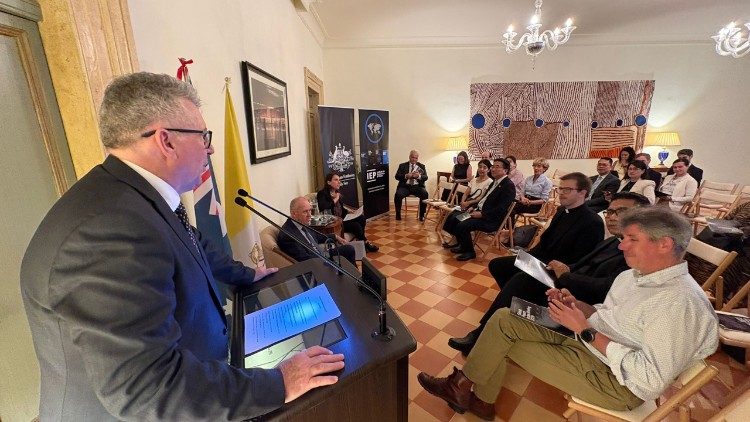
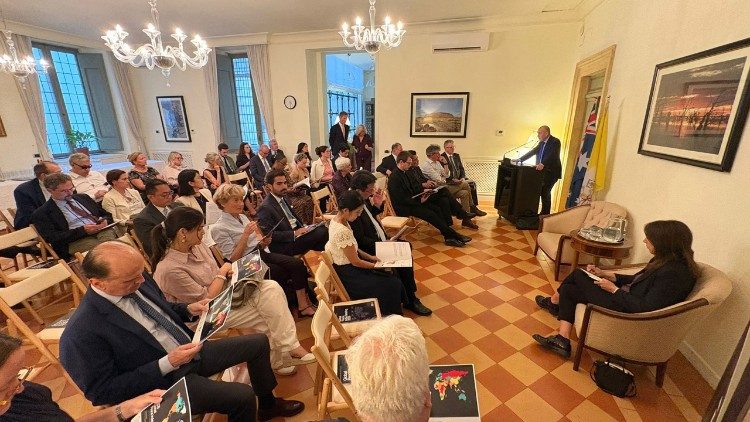
Hosting the presentation of the 2026 GPI in Rome on June 22, Australian Ambassador to the Holy See Keith Pitt stressed the important work that Killelea has been doing with the GPI over the last 19 years.
Its data outlines a rise in the number of conflicts around the world and the founder pointed out a shift in how wars ended. In the 1970s, 23% came to a close with a peace agreement. Decades later in the 2010s, that dropped to only 4%.
Why is that and why are there so many conflicts in the world today? Killelea argued there are a number of “lingering, small grade conflicts”, which can sometimes become major ones. “If we can't stop the conflicts, then the number of them logically have to grow,” he explained.
One of the characteristic weapons used in warfare today versus decades prior is drones, which have changed how conflicts are fought faster than the world can keep up. To avoid falling behind, Killelea highlighted the need for governments to “take a sober look at what the impact of conflict will be on their economies and on their citizens, and also on the global stage.”
Moreover, he pointed out that only around 0.1-1% of funding spent on the military is given to building peace. AI has reduced the amount of time needed to target from one day to mere seconds.
The problem of drones is an ethical one. Drones provide the ability to kill without human oversight. This technology removes the human aspect of warfare, seemingly making it easier to take the life of another simply by pushing a button.
Killelea warned how “without human intervention, you will not know whether AI has made a hallucination or a false positive.” That means innocent people can be targeted and innocent lives destroyed.
He noted how governments must begin to work out how to create alliances in order to create peace. The key to this, the Institute for Economics and Peace founder shared, is “governments waking up and realizing that you can invest in war, but that does not actually create peace.”
Peace is achieved when people invest in peace.
He offered three concrete ways to do this. First, more diplomacy. Second, when dealing with localized conflict, it is important to understand the grievances and address them. Third, better people’s livelihoods. “If people can see their livelihoods improving, they're a lot more likely to not want to fight or try and overthrow the government,” Killelea stressed.
Hope on the horizon
But the data is not meant to signal that there is no light at the end of the tunnel. On the contrary, Killelea highlighted that there is hope. “The hope in humanity is that we all move through cycles,” he said, “I think we can take hope in the fact that many of these countries will wake up and realize where they may have thought they were bulletproof in the past, they're not.”
He also stressed that today’s world needs messengers of peace. Pope Leo XIV’s repeated calls for peace, dialogue, and an end to violence does play a role in concretely achieving peace.
“I think at the moment we need some prophets of peace. The old ones, such as the Dalai Lama, Desmond Tutu, Nelson Mandela, they've passed. I think Pope Leo can take on that mantle, so I would fully encourage him to really become that prophet of peace.”
Thank you for reading our article. You can keep up-to-date by subscribing to our daily newsletter. Just click here.