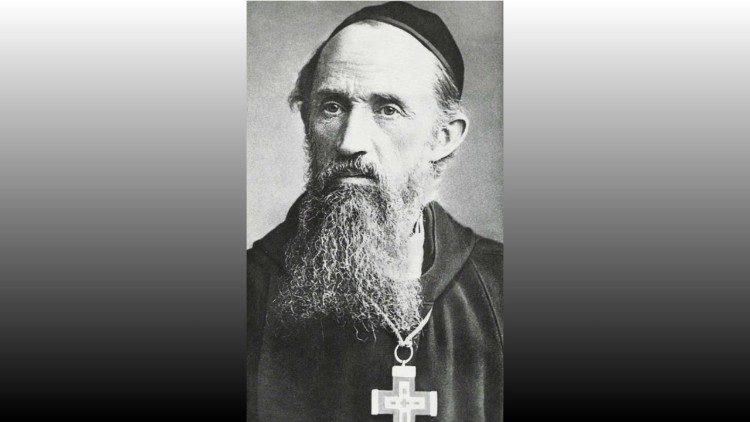
Abbot Francis Pfanner: Servant of God and apostle of the people
By Sr. Christine Masivo, CPS
Abbot Francis Pfanner, born on September 21st, 1825, is remembered not only as a man of deep faith and discipline but also as a Servant of God whose work and mission inspired many among the people in South Africa.
His cause for canonization continues to inspire devotion among the Zulu people for the great work that he started in South Africa, as well as his legacy as the founder of the Missionary Sisters of the Precious Blood and the Missionaries of Mariannhill, which continues to bear fruit.
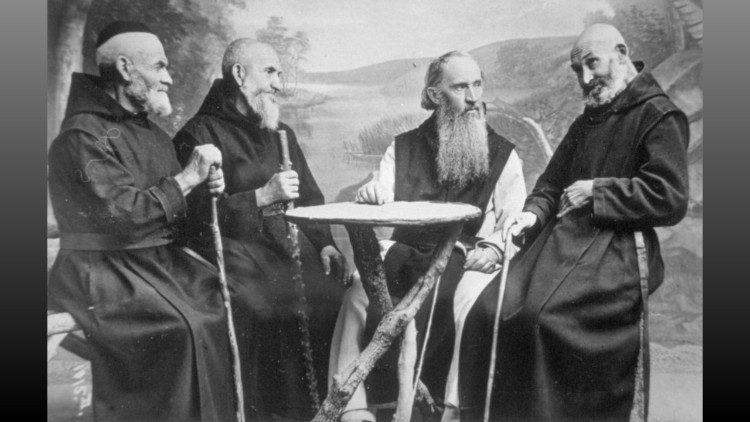
He joined the Trappist order in 1864 and had initially worked at Mariawald and later helped to establish a new monastery in Austria.
From a monk to an 'active monk'
When Bishop David Ricards of Port Elizabeth visited Mariawald Monastery in Germany in 1880, he invited the monks to go and establish a monastery in South Africa. Despite the silent response from the monks after Bishop Richards' request to go and establish a monastery in South Africa, Abbot Pfanner said boldly, “If no one goes, I will go.”
Pfanner went to South Africa in 1880 to establish a monastery at Port Elizabeth Diocese. Despite the terrible seasickness he had, he was determined to do what he believed was the will of God through the invitation of the bishop.
After barely two years in Dunbrody, he went to the neighboring region of KwaZulu-Natal in 1882 near Pinetown and established the now famous Mariannhill monastery, deriving its name from that of Mary and St. Anne.
Bicentenary celebration
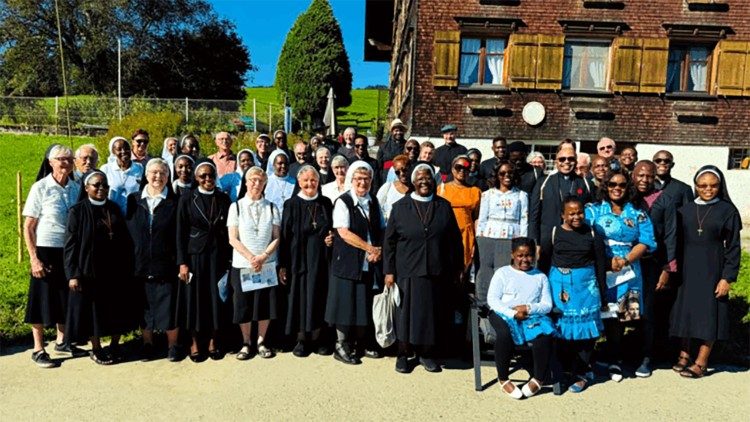
On September 19, 2025, at Langen Austria, the villagers, sisters’ and priests attended the solemn Mass presided over by Bishop Benno Elbs of the Diocese of Feldkirch, a native of Langen, with a representative from South Africa, Bishop Victor Thulani Mbuyisa, CMM, where Abbot Pfanner toiled and was buried.
They gathered to honor him, whose heart and hands reached far beyond his homeland, to mark 200 years of a visionary man. Those present visited his birth place for a moment of reflection and there after the Superior General, Sr. Monica Ncube, CPS, planted a cherry laurel tree, a living symbol of the founders lasting influence.
A man who didn’t fit the mold
The highlight of the day was a keynote lecture by Professor Józef Niewiadomsky, titled “Dramatic: Franz Pfanner’s Path to being a blessed until Sainthood.” He described Pfanner as a man of extraordinary courage whose life was shaped by radical trust in God.
With the motto 'gratia supponit naturam' “grace builds on nature”, Pfanner lived boldly, often breaking conventions. His life, Prof. Niewiadomsky noted, doesn’t fit neatly into the boxes of traditional sainthood, but that uniqueness is what makes him so compelling today.
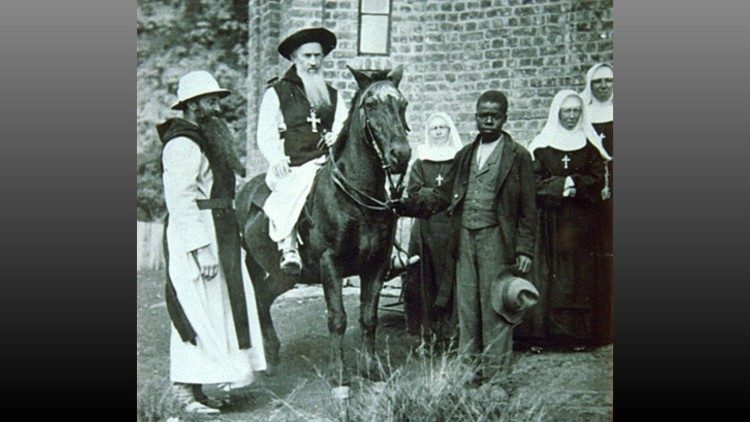
His life and legacy
Pfanner combined his demanding Trappist monasticism life with active service, opposing radical segregation and welcoming children to school without distinction of colour or religion, a progressive stance against colonialism.
Abbot Pfanner contributed to educating women and female children. The Holy Spirit moved him to found the Missionary Sisters of the Precious Blood, who have lived this legacy by being educators in schools in countries where they serve.
Sr. Angela and Sr. Euphrosine referred to Abbot Pfanner as profoundly fervent and prayerful. He often prayed the Way of the Cross up a steep hill in Emmaus and meditated tearfully at the grotto dedicated to Our Lady of Lourdes.
Despite experiencing pain, rejection, and exile in his later years, he never complained but turned his suffering into a prayer of gratitude.
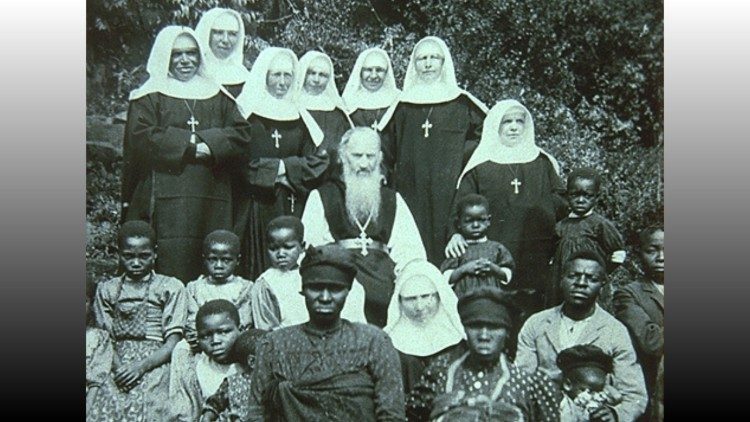
His death
Francis Pfanner died on May 24, 1909, the feast of Mary, Help of Christians, at two o’clock in the morning, leaving behind a legacy of a veritable monument to his zeal, love of the cross, and faithful devotion to the Blessed Virgin Mary.
His work continues among his sons and daughters of the Missionary Sisters of the Precious Blood and the Missionaries of Mariannhill, of which he is the founder, spurring apostolic and missionary zeal for the glory of God and the conversion of the people of God.
He recited a prayer of dedication to God to always do the will of God and to preserve a spirit of recollection, of which he lived by the words of the prayer every single day of his life until he died.

The apostle of the Zulu
The people of Umzimkulu still observe and admire the servant of God, Abbot Francis. Each year the people from near and far make pilgrimages to the place where he lived in Emmaus Umzimkulu because of the great work he did to bring Christ to the people of KwaZulu-Natal.
As many people have appreciated his legacy in South Africa, he is referred to as the apostle of the Zulu, where he planted missionary seeds. In KwaZulu-Natal, many still recall him as the one who brought the word of God to the land.
Thank you for reading our article. You can keep up-to-date by subscribing to our daily newsletter. Just click here.