Israeli leader in Washington to discuss possible Iran nuclear deal
By Nathan Morley
President Donald Trump will host Israeli Prime Minister Benjamin Netanyahu at the White House, where the Israeli leader is expected to urge the administration to pursue a tougher deal with Iran.
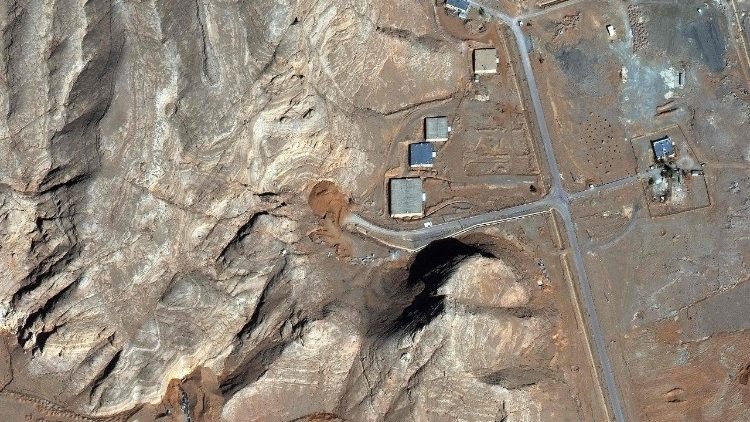
According to U.S. and Israeli officials, Netanyahu plans to press Trump for an agreement that would not only halt Iran’s uranium enrichment but also curb its ballistic‑missile program and its support for groups such as Hamas and Hezbollah.
Iran has signalled willingness to limit its nuclear activities in exchange for sanctions relief, but has rejected broader restrictions.
The visit marks Netanyahu’s sixth trip to the United States since Trump returned to office.
A close ally of the president, Netanyahu has long argued that Iran poses an existential threat to Israel and has repeatedly pushed Washington to counter Tehran’s regional influence.
West Bank and Gaza
Despite a fragile ceasefire, dozens of civilian deaths and injuries have been reported in Gaza in recent weeks, along with continued displacement in the West Bank, humanitarian agencies said.
Many affected communities remain out of reach for emergency teams.
Israeli settler attacks against Palestinians in the occupied West Bank have sharply increased, with more than 50 incidents recorded between Jan. 20 and Feb. 2. The attacks resulted in casualties, property damage or both.
According to the UN Office for the Coordination of Humanitarian Affairs (OCHA), more than 900 Palestinians have been forced from their homes or communities since the start of 2026 — mostly due to settler violence and access restrictions, followed by demolitions.
OCHA said it is conducting preliminary assessments of damage and humanitarian needs to guide its response.
Thank you for reading our article. You can keep up-to-date by subscribing to our daily newsletter. Just click here.